The Staff Domain Cebu Olympics 2026: Why Over Half Our Staff Showed Up on a Saturday

by Francesca Dosayla
Why a distributed workforce’s biggest hidden risk isn’t productivity, and what a Saturday morning in Cebu says about how Staff Domain manages it.
For anyone evaluating a distributed offshore team: does working from home quietly cost a company something that never shows up on a performance review?
The risk nobody puts on a scorecard
Remote work solves a lot of problems. It also creates one that doesn’t show up on a productivity dashboard: distance from other people, day after day, with nobody there to notice if it starts to wear on someone.
The Australian HR Institute’s 2025 Hybrid and Flexible Working report, based on responses from over 1,000 employers, found 57 percent still name disconnectedness between colleagues as an ongoing challenge of hybrid and remote arrangements, down from 75 percent in 2023 but still the single most persistent concern employers report. Separately, the Australian Bureau of Statistics puts the baseline for context: around one in six Australians report often feeling lonely, a figure that has held steady since 2022. Distance from a physical workplace doesn’t create that risk on its own. It removes one of the few structures that used to counteract it by default.
A fair critic would push back here, and they’d have a point worth conceding upfront. Plenty of people choose remote work precisely because they prefer it, and a single Saturday event isn’t going to undo months of isolation for someone genuinely struggling with it. Nobody should claim it does. What a well-run event can do is give people who don’t naturally cross paths a reason to show up, in person, for something that isn’t a deadline.
Forty people, one Saturday, no requirement to attend
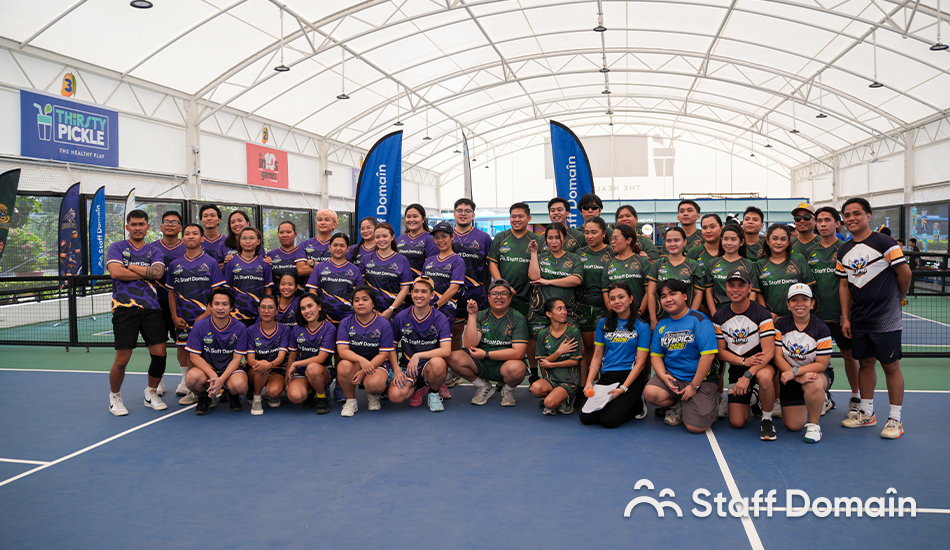
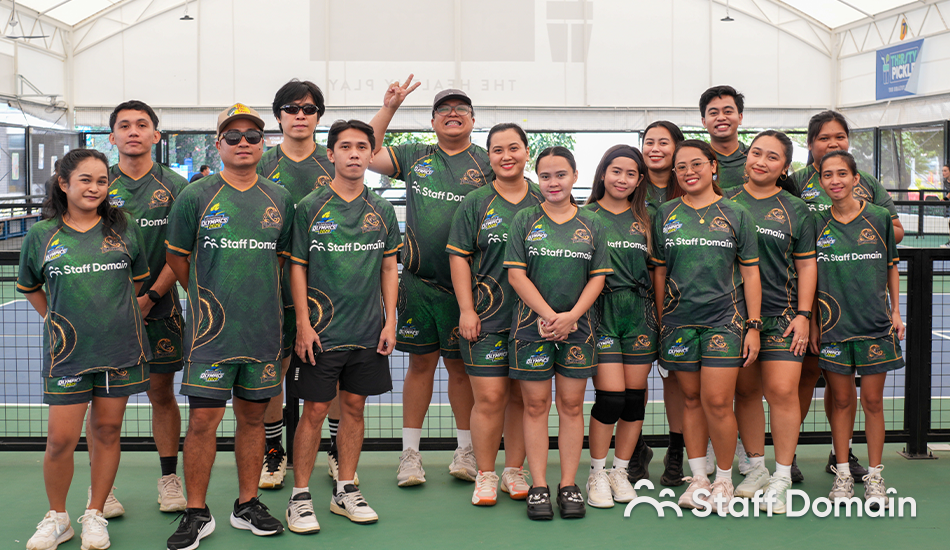
Forty people arrived at Thirsty Pickle in SM Seaside Cebu that morning for the Staff Domain Olympics Cebu 2026. It wasn’t mandatory. It cost them a Saturday. And yet, more than half of the people who showed up worked from home, which means more than half of that room had the easiest excuse available to skip it entirely: nobody was tracking attendance for the purposes of consequence, and staying home cost them nothing.
They came anyway.
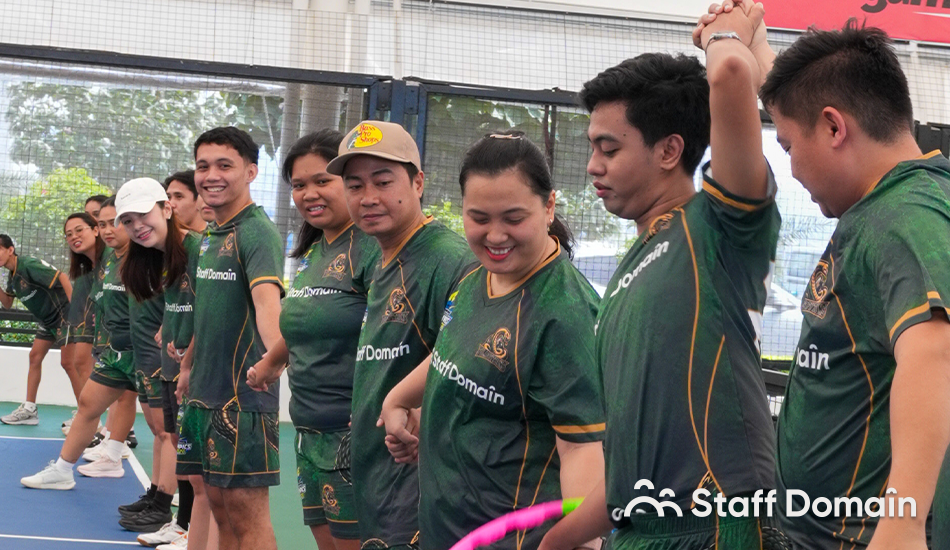
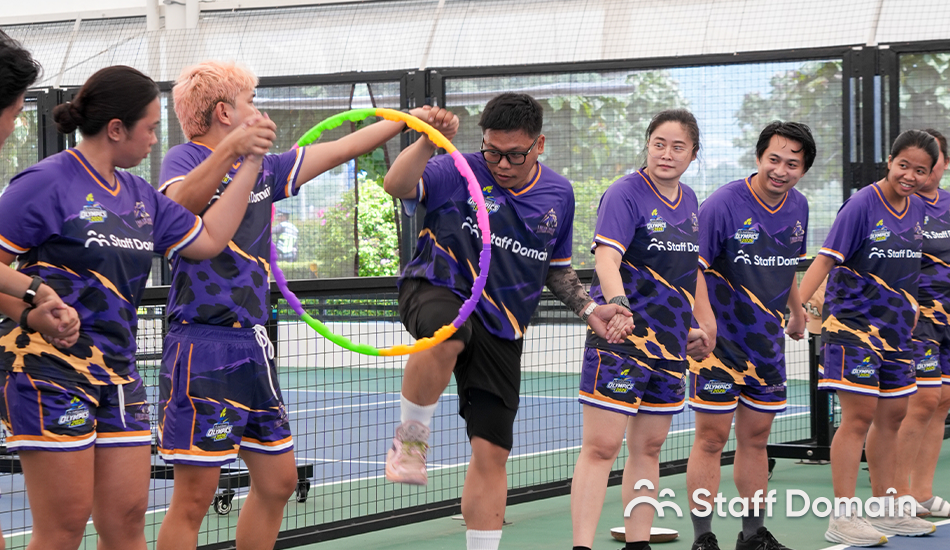
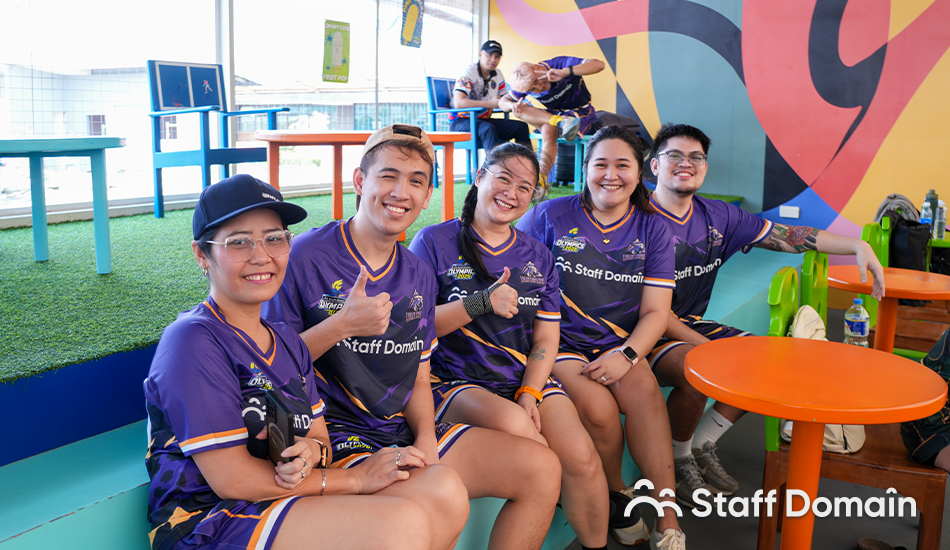
What it looked like
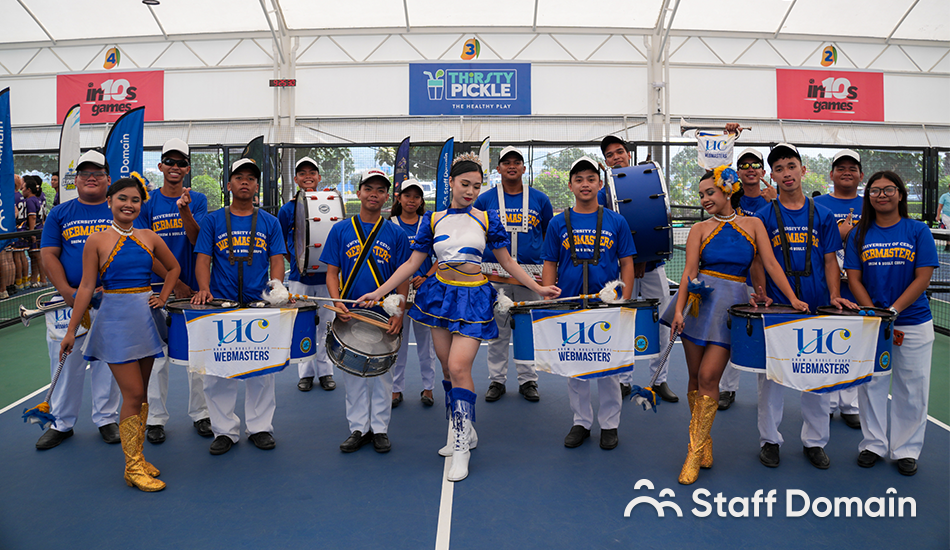
Registration opened at 7AM, with staff claiming their custom event jerseys as the team introductions got underway. An opening message from leadership and a marching band performance promptly carried the morning into game proper, the players eager to step into the court and win the coveted points.
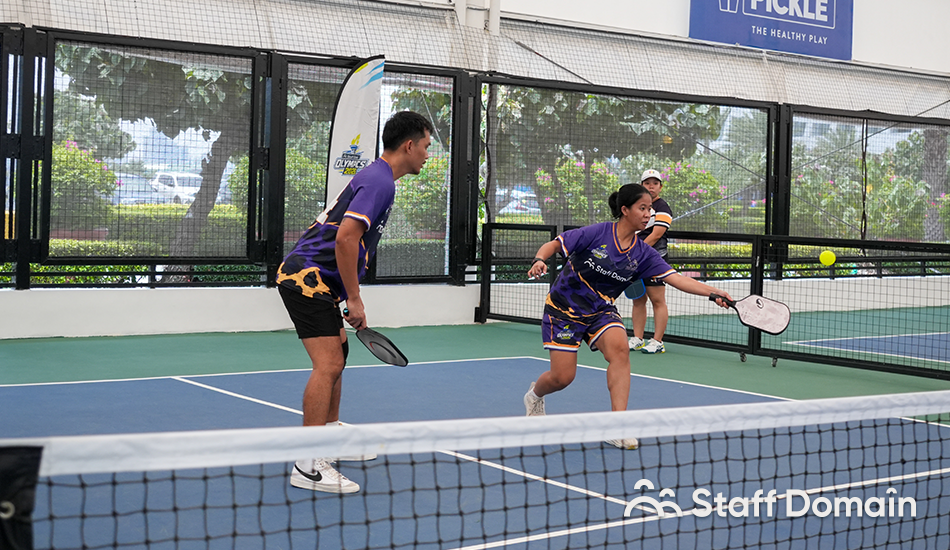
Two houses, the Pulag Pythons and the Logan Leopards, ran three events across the day. Team Relay went first, every member of both houses on the track together, the kind of format that doesn’t let anyone hang back and watch from the side. Team pickleball followed through the late morning. Mobile Legends ran alongside it, live at the venue for people who wanted the room and online for anyone who’d rather compete from a screen, so showing up in person was never the only way to be part of it.
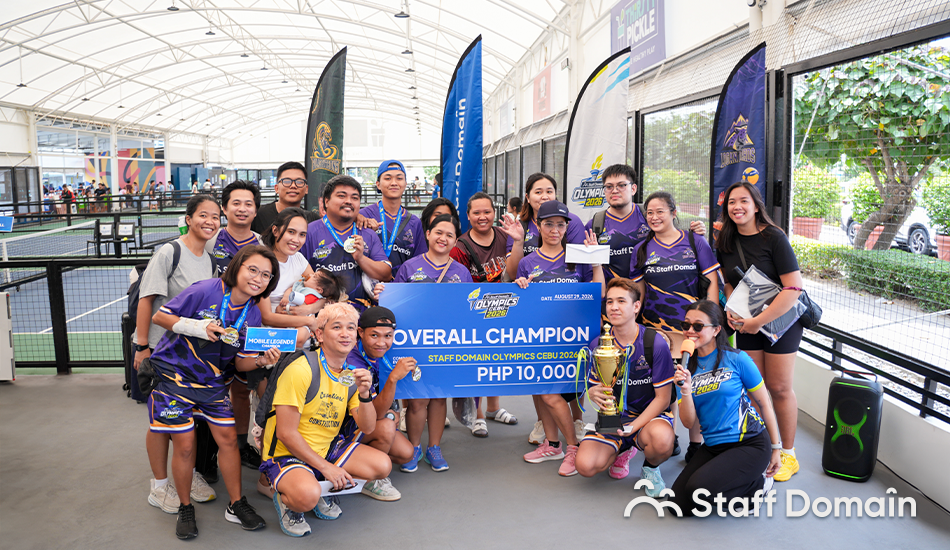
The results
The Logan Leopards took the overall title. Their five-player Mobile Legends squad ran their bracket cleanly, and a full-house Team Relay win put them ahead before pickleball had even wrapped. The Pulag Pythons didn’t go down without a proper fight, taking pickleball outright.
Awards and closing wrapped, and before they knew it, forty of them had already spent the day as teammates instead of names and profile photos on a screen.
Why this should factor into a staffing decision
None of this fixes the loneliness epidemic amongst remote workers on its own, and it would be inaccurate to pretend a single day does the work that consistent culture investment requires. What it does is give a majority-remote workforce a real, low-stakes reason to be in the same room as people they’d otherwise only know as a name in a chat window. That’s a small thing to measure and an easy thing to skip funding entirely, which is exactly why it’s worth noticing when a company doesn’t skip it.
For anyone weighing whether a distributed offshore team ends up genuinely connected to the people they work with, or just technically employed by them, that distinction is the one that matters. Forty people chose to go out on Saturday rather than stay home. That’s not proof of anything permanent. It’s evidence of something a company is actively building, one deliberate, conscious event at a time.